Essential Steps for Flood Cleanup and Mold Prevention After Water Damage
Flooding in a home is never a small event. Even a few inches of standing water can turn a dry basement or first floor into a breeding ground for problems that last long after the water recedes. In my years working on water damage restoration jobs across the Boston area, I have seen what happens when flood cleanup and mold prevention get delayed by even a day or two. The difference between a manageable job and a full demolition often comes down to how quickly and methodically you act.
The first thing to understand is that floodwater is rarely clean. It carries mud, bacteria, chemicals, and organic debris. When that water soaks into drywall, wood, carpet, and padding, it creates ideal conditions for mold spores that are already floating in the air. Within 24 to 48 hours, those spores can germinate and start colonizing surfaces. That is why flood cleanup and mold prevention must be treated as a single, urgent task rather than two separate projects.
Safety Comes First: What to Wear and Watch For
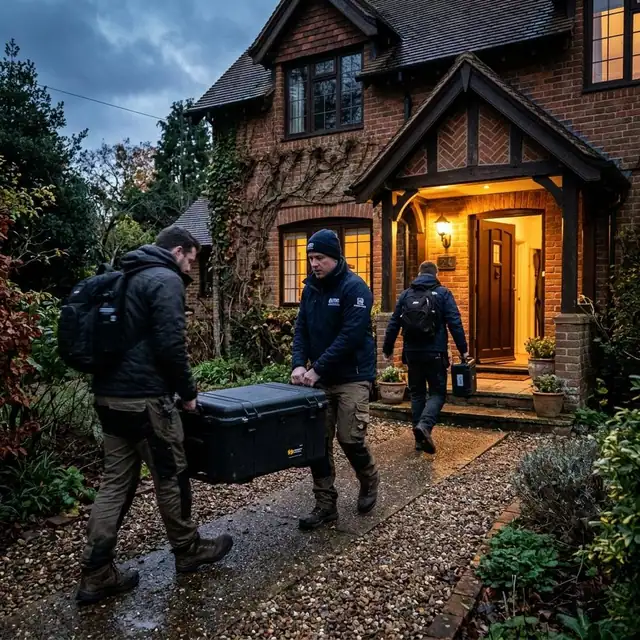
Before you touch anything, think about personal protection. Standing water may hide sharp metal, broken glass, or live electrical wires. The CDC recommends that anyone entering a flooded home wear rubber boots, waterproof gloves, and an N95 respirator at a minimum. An N95 respirator is not a dust mask. It filters out mold spores and fine particles that can cause respiratory irritation or infection. I have seen people skip this step and end up coughing for weeks after cleanup.
If the flood involved sewage or chemical runoff, the risks multiply. The EPA and OSHA both categorize flood cleanup work as potentially hazardous, especially when you are dealing with hidden mold behind walls or under flooring. OSHA guidelines emphasize that workers should limit exposure time, use ventilation, and never eat or drink in the work area. For homeowners, the same common sense applies.
Remove Water and Dry Out the Space
The first physical step is removing standing water. A sump pump works well for deep water in a basement. For smaller areas or lower water levels, a wet/dry vacuum from Lowe's or Home Depot can handle the job. Do not rely on towels or mops alone. You need to extract water, not just move it around.
Once the standing water is gone, drying out the structure becomes the priority. Open all windows and doors if weather permits. Set up fans pointing outward to draw moist air out. A dehumidifier running constantly can pull gallons of moisture out of the air each day. In a humid climate like Boston's summer, a dehumidifier is not optional. It is essential. Without it, moisture trapped inside wall cavities and under flooring will feed mold growth for weeks.
If the flooding was from a clean water source like a burst pipe, you might be able to save more materials. But if the water came from outside, from a river overflow or storm surge, assume that everything porous that got wet needs to go. That includes carpet, padding, drywall that has been wet above the baseboard, and insulation. Cutting drywall at least 12 inches above the water line is standard practice in water damage restoration. You can see the stain line, but moisture wicks up higher than that.
Dealing with Mold During Cleanup
Once the space is dry to the touch, you still have to address the mold that has already started growing. This is where flood cleanup and mold remediation overlap. The mold you can see on baseboards or drywall is only part of the problem. Hidden mold can grow behind cabinets, under subflooring, and inside ductwork. A musty odor is often the first clue that mold is growing somewhere you cannot see.
For small patches of surface mold on hard, non-porous materials, a solution of detergent and water or a diluted bleach mixture can work. But bleach is not a cure-all. The EPA advises against using bleach on porous surfaces like wood or drywall because the chlorine does not penetrate deep enough to kill mold roots. Instead, the moisture in the bleach solution can actually feed mold growth deeper in the material. For porous surfaces, commercial mold removers or a solution of white vinegar and water are often more effective. White vinegar is acidic enough to kill many mold species on contact, and it does not leave toxic residue.
Boric acid is another option for treating wood framing and subflooring after drying. It is a slow-acting fungicide and insecticide that can be applied as a powder or dissolved in water. I have used boric acid powder on exposed joists in crawl spaces and basements, and it provides long-term protection against mold regrowth. It is less harsh than bleach and safer for pets and children once dry.
When to Call in Professionals
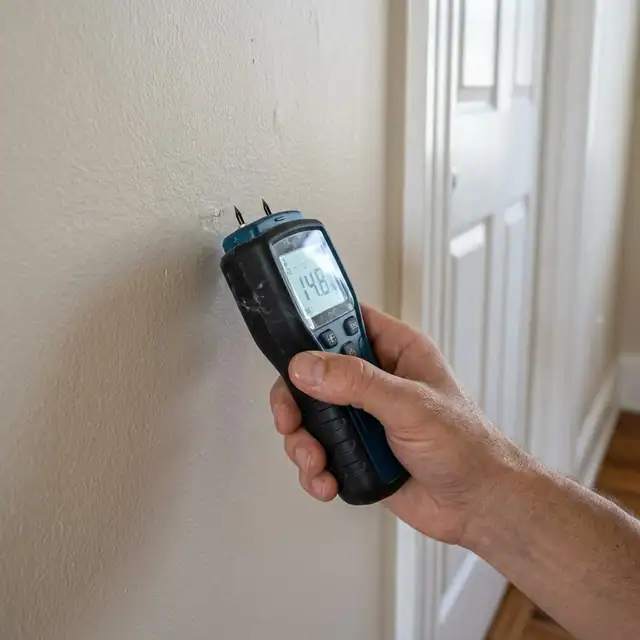
Not every flood situation is a DIY job. If the flooded area is more than about 10 square feet, or if the water was contaminated with sewage, the Boston Public Health Commission recommends hiring a licensed mold remediation contractor. Professional remediation teams have industrial HEPA vacuums, commercial dehumidifiers, and containment barriers that prevent mold spores from spreading to other parts of the house during removal. They also know how to test for hidden mold using moisture meters and borescopes.
I have been on jobs where a homeowner had already cleaned up visible mold but missed a large colony growing inside a wall cavity. By the time we arrived, the musty odor was strong, and the drywall had to be cut out from floor to ceiling. That kind of hidden mold can cause structural damage and health problems, especially for people with asthma or allergies. The CDC notes that exposure to mold can cause nasal congestion, throat irritation, coughing, and skin rashes, even in otherwise healthy people.
Preventing Mold After the Cleanup
Once the space is dry and mold-free, the goal shifts to prevention. Keep humidity levels below 50 percent using a dehumidifier. Fix any leaks in the foundation, roof, or plumbing immediately. Make sure gutters and downspouts divert water away from the house. In basements that are prone to dampness, a sump pump with a battery backup can prevent future flooding even during power outages.
I also recommend painting cleaned surfaces with a mold-resistant primer before refinishing. These primers contain antimicrobial agents that discourage mold growth on new drywall or wood. They are available at any Home Depot or Lowe's and cost only a few dollars more than standard primer.
Flood cleanup and mold prevention require patience and thoroughness. Rushing the drying process or skipping the mold inspection can lead to bigger problems later. If you live in an area like Boston where basements are common and heavy rain events are becoming more frequent, understanding how to handle flood cleanup and mold is not just useful. It is a basic skill for protecting your home and your health. Whether you do the work yourself or hire a professional, the principles are the same: safety, speed, drying, and persistent follow-through.
Ends · GETFLOODCLEANUPMOLDCRAFT